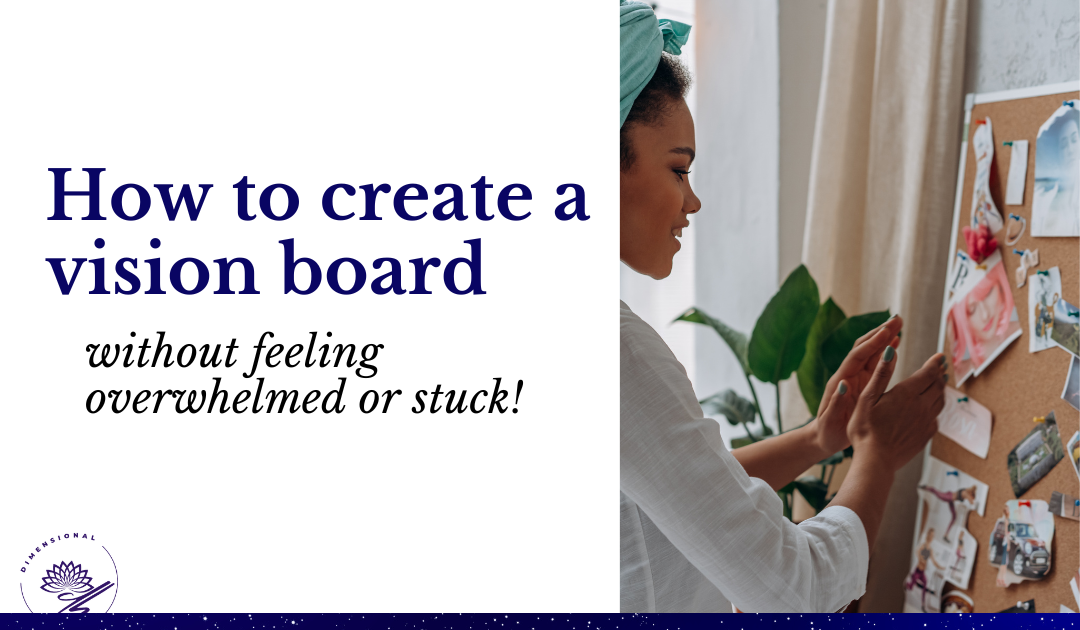
Over the last few weeks advice on how to create a vision board has been everywhere as the pressure of New Year’s resolutions fade and people begin asking more honest questions. Not “How do I fix myself?” but “What do I actually want?”
And that’s a much better question as it reflects your intentions.
So what’s the difference between resolutions and intentions?
The New Year Resolutions are very outcome focused, very all or nothing goals, such as lose 10kg. The focus is on fixing, changing or achieving something. Resolutions often feel like obligations but can lead to shame when they’re abandoned. They can be rigid with high pressure so its no wonder they tend to fail and be forgotten by February.
Resolutions often fail because they’re built on pressure. Be more disciplined. Be more productive. Try harder.
But intentions are different. Intentions are flexible, focusing on how you want to feel, act or grow. Intentions are aligned with values, encouraging mindful ongoing progress and success. Intentions are what fuels your life vision.
A vision has depth and meaning. It connects to how you want to feel in your life. It gives your goals context instead of urgency.
The problem?
If your mind feels crowded or foggy, it’s very hard to create a vision board that feels grounded. You can end up building goals from stress instead of alignment.
Why New Year’s Resolutions Fail (And Why a Vision Board Works Better)
Resolutions focus on behaviour.
Vision focuses on identity and direction.
A resolution says:
“I’ll wake up at 5am.” “I will save $5,000 this year.” “I will go to the gym 4 times a week.”
A vision says:
“I want my mornings to feel calm and intentional.” “I will honour my body through movement and nourish myself”. “I will live with more financial ease and awareness”
See the difference?
When goals are disconnected from your emotional state or energy capacity, they feel heavy. And when you already feel overwhelmed or mentally drained, adding more pressure rarely works.
A life vision gives you:
- Depth behind your goals
- Meaning behind your actions
- A clear filter for decisions
- A sustainable pace
But only if it comes from clarity.
If you feel stuck in your head, overthinking everything, or emotionally overloaded, your vision can get distorted by stress.
That’s why we need to clear the fog first before you create a vision board.
The Problem is You Can’t Create Clarity From Mental Fog
When your energy feels overloaded, your mind works overtime.
You replay conversations.
You second guess decisions.
You feel stuck even when you’re trying your best.
From that state, creating a vision board can turn into:
- Comparing yourself to others
- Setting unrealistic expectations
- Choosing goals you think you “should” want
- Feeling excited for a moment… then unsure again
You might create a vision board that’s beautiful… and still feel unsure.
It’s not that vision boards don’t work.
It’s that clarity doesn’t come from pressure. It comes from alignment.
That’s why before you start cutting out images or writing big intentions to create a vision board, I recommend something simpler.
My Three Step Approach
All of my work follows a simple inner process:
Listen → Release → Align
And this same process works beautifully before you create a vision board.
Step One – Listen Before You Plan
Before reaching forward, pause and look at where you are.
Ask yourself:
- What have I moved through recently?
- What drained me?
- What energised me?
- What patterns kept repeating?
- When did I feel most like myself?
This isn’t about judging yourself. It’s about understanding yourself.
Sometimes what feels like “lack of motivation” is actually emotional overload. Sometimes what feels like “being behind” is actually exhaustion from carrying too much.
Take a sheet of paper and divide it into two columns:
What Drained Me, What Energised Me
You’ll likely see patterns.
Clarity doesn’t come from ignoring what’s been hard.
It comes from integrating it.
Listening helps you understand what you’ve been carrying — not just mentally, but energetically.
Step Two – Release What’s Weighing You Down
Sometimes the real block isn’t lack of motivation.
It’s emotional overload.
You might be carrying:
- Other people’s expectations
- Guilt about wanting something different
- Fear of disappointing someone
- Old beliefs about what you “should” prioritise
If you don’t release that weight, your vision gets built on top of it.
In my work, this is where we gently clear the buildup — both what you’ve absorbed from others and what you’ve internalised yourself.
When that layer lifts, clarity returns naturally.
Step Three – Align With What Feels Steady
Alignment isn’t intensity.
It’s steadiness.
It’s choosing goals that match your energy capacity.
It’s creating a life that feels sustainable.
It’s making decisions from calm instead of urgency.
When you align first, your vision becomes simpler and more honest.
Now you’re ready to build.
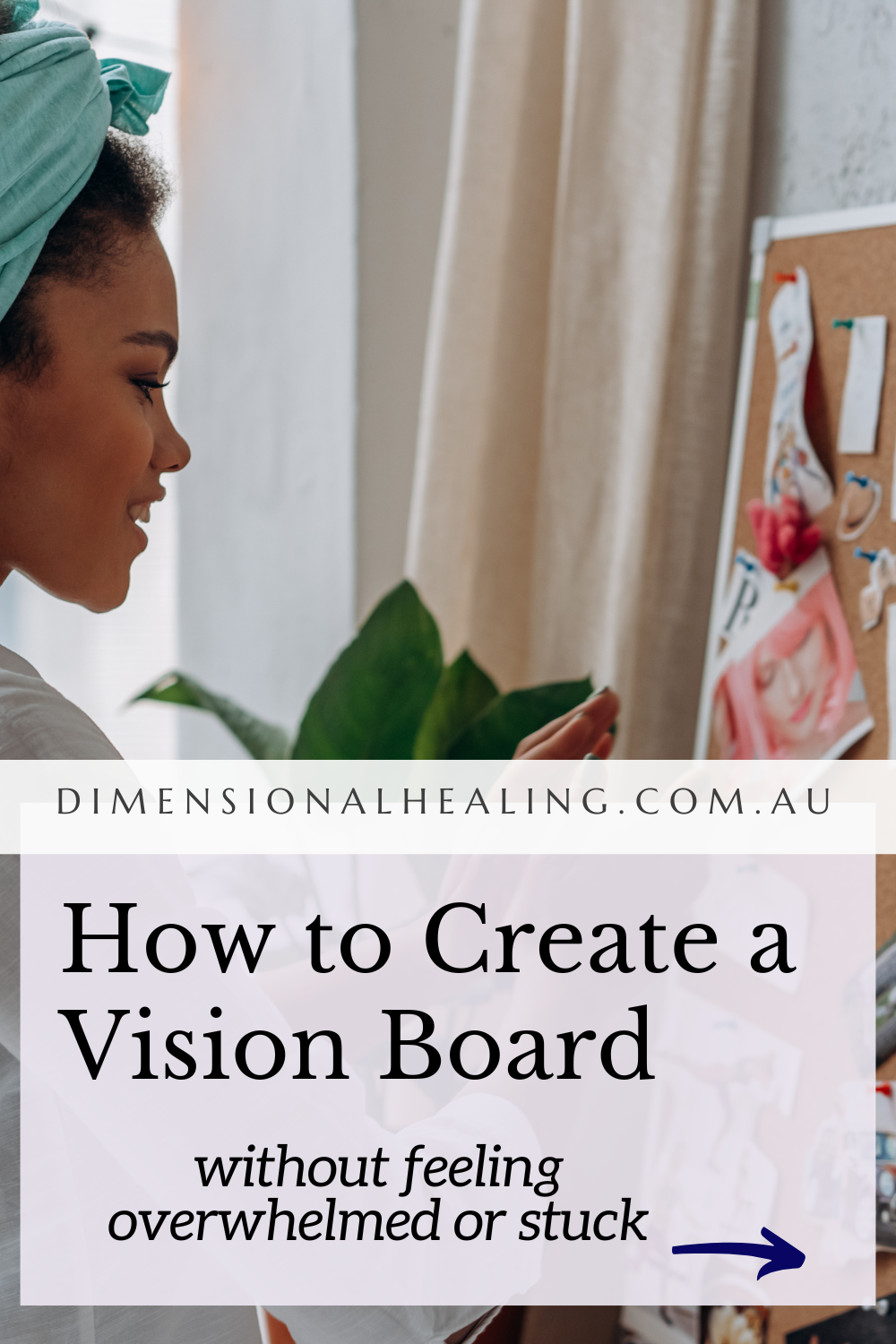
5 Things to Do Before You Create a Vision Board
Now that you understand the inner process, here are five practical steps to apply before you create your vision board design.
-
Delve Into the Patterns
Before reaching forward, pause and look at where you are.
When we feel stuck or foggy, our instinct is to jump ahead. We want change quickly. But clarity rarely comes from rushing forward. It comes from listening first.
Ask yourself:
- What have I moved through recently?
- What am I proud of?
- What felt heavy last year?
- Where did I overextend myself?
- What patterns kept repeating?
- When did I feel most like myself?
Be honest. You may notice that certain environments, people, or responsibilities consistently show up in the draining column.
Give thanks for both the easy and difficult seasons. They shaped you.
That’s information.
Clarity grows when you acknowledge your growth.
-
Visualise the Life You Want — Gently
Once you’ve acknowledged where you are, you can begin to look ahead.
But instead of asking:
“What should I achieve?”
Try asking:
- How do I want to feel in my life?
- Where do I want more ease?
- What pace feels sustainable for me?
- What kind of work feels aligned?
- What kind of relationships feel supportive?
When you’re overwhelmed or mentally busy, simplicity is powerful.
You don’t need a perfect five year plan.
You need direction that feels steady.
Think about:
- Places you’d love to visit
- The way you want your mornings to feel
- The type of conversations you want more of
- The energy you want in your workspace
- The amount of rest you want to allow yourself
Now here’s the key:
Focus on the feeling beneath the goal.
Instead of:
“I want a promotion.”
Ask:
“I want to feel valued, capable and calm in my work.”
Instead of:
“I want to lose weight.”
Ask:
“I want to feel comfortable and confident in my body.”
When your vision is rooted in feeling rather than pressure, it becomes much more sustainable.
-
Identify What Feels Out of Alignment
This is the part most people skip.
They visualise something beautiful… but they don’t examine the resistance that shows up underneath.
If parts of your vision feel distant, uncomfortable, or unrealistic, notice that gently.
You might hear thoughts like:
“I’m behind.”
“I should be further along.”
“I can’t have that.”
“That’s not realistic for someone like me.”
This isn’t about forcing positive thinking.
It’s about noticing what’s weighing on your energy.
Sometimes the block isn’t lack of motivation — it’s emotional heaviness.
You may be carrying:
- Other people’s expectations
- Old beliefs about what you “should” prioritise
- Guilt about wanting something different
- Fear of disappointing others
This is often where women I work with feel the fog most strongly.
They’re not confused about what they want.
They’re overloaded.
In my work, this is the Release stage. We gently clear the energetic buildup — both what you’ve absorbed from others and what you’ve internalised yourself.
When that layer lifts, the vision doesn’t feel so far away.
It feels possible.
Try this small exercise:
Write down one part of your vision that feels exciting… and one belief that makes it feel hard.
Then ask yourself:
“Is this belief actually mine?”
You may be surprised by the answer.
-
Make Your Vision Tangible
Now you’re ready to create your vision board.
Not from pressure.
Not from comparison.
But from clarity.
When you create a vision board it doesn’t need to be aesthetic or perfect. It just needs to feel honest.
You might:
- Create a short mission statement
- Write a paragraph describing your ideal day
- Collect a few images that represent how you want to feel
- Use index cards (my personal favourite because they’re flexible)
Flexibility is important.
A vision should evolve as you evolve.
If you prefer something simple, try this:
Write one sentence that begins with:
“I am creating a life where…”
Keep it grounded and realistic, but expansive enough to stretch you gently.
For example:
“I am creating a life where my work feels meaningful and my evenings feel calm.”
That’s tangible. That’s clear. That’s sustainable.
-
Stay in Quiet Alignment
The final step is where the real shift happens.
Instead of constantly pushing toward your goals, check in with them.
Each morning or evening, take a few moments to reconnect.
Look at your vision board or statement and ask:
- Does this still feel true?
- Where am I resisting?
- What feels calm?
- What feels forced?
When invitations or opportunities arise, ask:
“Does this support the version of life I’m building?”
Alignment isn’t intensity.
It’s steadiness.
It’s choosing what supports your energy instead of what drains it.
It’s adjusting gently instead of forcing change.
And sometimes, alignment means admitting:
“I need to clear space before I create more.”
Create Your Vision Board From Clarity, Not Pressure
Resolutions ask you to push.
Vision asks you to align.
Before you create your next vision board:
Listen to your patterns.
Release what feels heavy.
Align with what feels steady.
Your goals don’t need to be louder.
They need to feel clearer and that happens with clearer energy.
If you’re ready to clear the fog first, download the Clarity Map and begin there.
Calm, clear and steady is enough.
When You Need to Clear the Fog First
If your mind feels foggy…
If decisions feel loaded…
If you’re emotionally drained even when nothing dramatic is happening…
This might not be the season to build a bigger vision.
It might be the season to clear what’s in the way.
When your energy is overloaded, your mind tries to compensate. That’s when you feel stuck.
That’s exactly why I created the Clarity Map — 7 Steps to Calm Your Mind & Get Unstuck.
It helps you:
- Understand where you’re holding tension
- See why certain patterns keep repeating
- Reset emotional and energetic overload
- Reconnect to your inner clarity
When your energy settles, your clarity returns.
And from that place, your vision feels obvious.
.